The New Data Consumer: What Business Analysts Now Look Like
The role of the business analyst is changing rapidly. The new data consumer in 2026 works very differently from the Excel-driven analysts of previous decades. They are empowered by cloud platforms, AI copilots and collaborative analytics environments. Understanding this shift is essential for any organisation that wants to stay competitive, scale analytics and accelerate digital transformation.
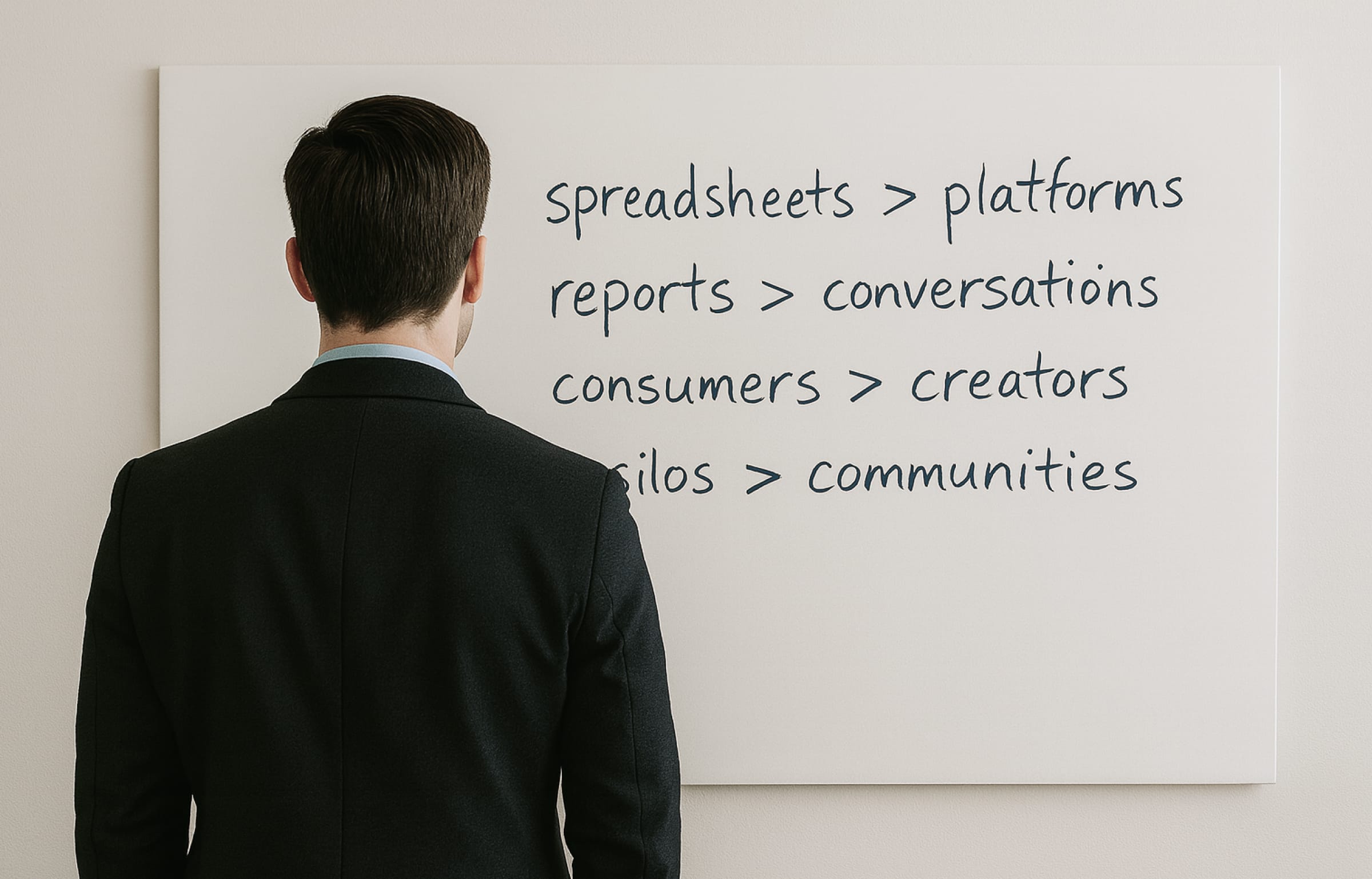
Table of Contents
What Defines the New Data Consumer in 2026?
The new data consumer is faster, more collaborative and far more empowered than traditional analysts. They work in environments where data access is governed, insights are conversational and workflows are reusable. This evolution shapes how organisations build their analytics capabilities for the future.
- Connect directly to governed enterprise data sources
- Provide secure, identity-aware access
- Eliminate versioning issues
- Support reproducible and scalable analytical workflows
A 2024 Gartner report highlights that over 65% of organisations are transitioning from desktop tools to platform-driven analytics environments (Gartner). This shift gives analysts a more reliable and scalable foundation for their daily work.
From Reports to Conversations
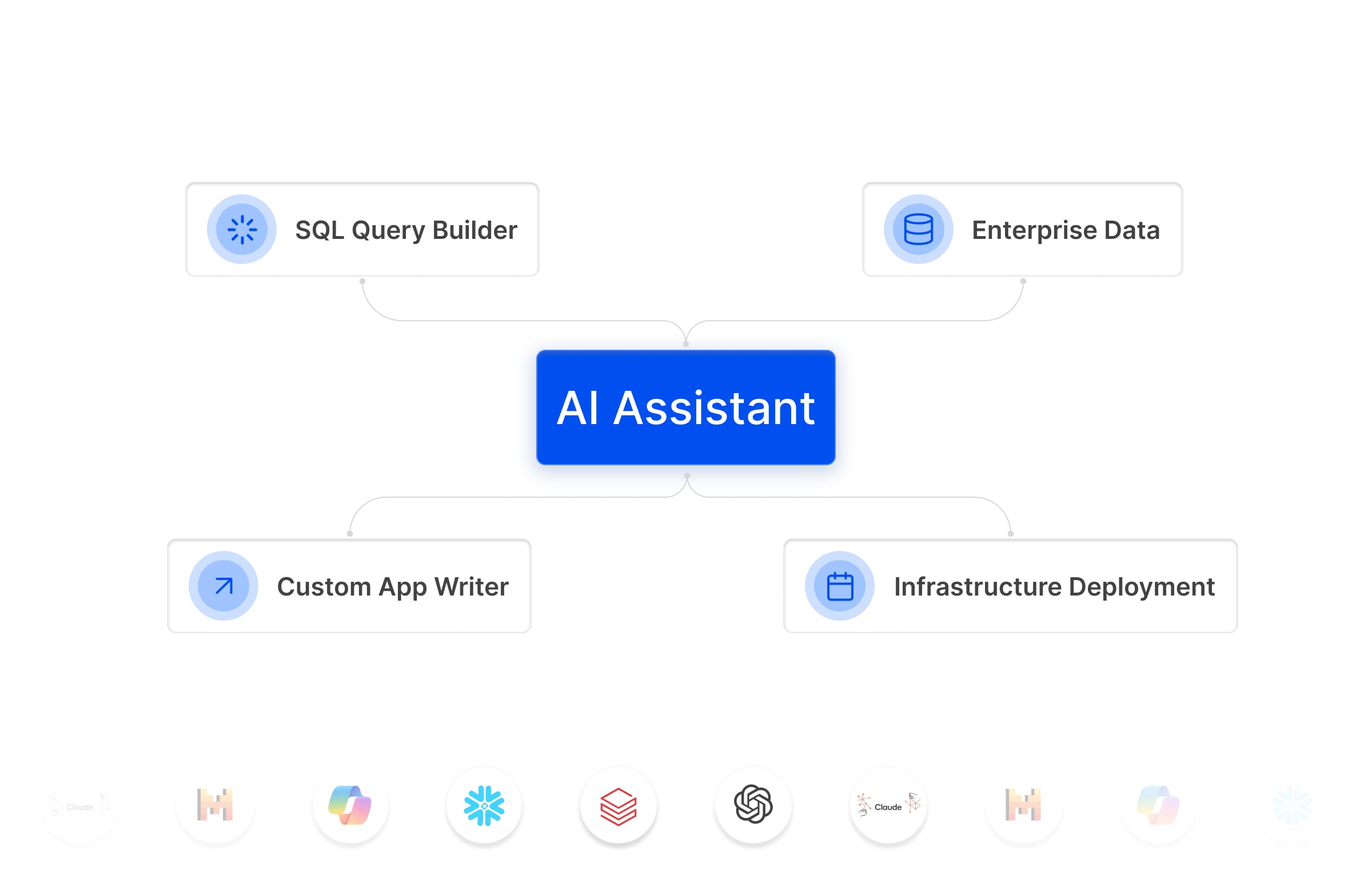
Generative AI copilots are transforming how analysts engage with data. Instead of laboriously crafting every dashboard or report, analysts can simply ask questions in natural language—“What changed in sales this quarter?” or “Explain the drop in churn by region.” These tools turn data into dynamic dialogue, making insights more immediate and accessible across the business.
As the McKinsey Global Survey on AI confirms:
“Redesigning workflows is a key success factor.” mckinsey.com
The “new data consumer” uses conversational analytics, which enables faster insight delivery, greater business engagement and a shift from passive reporting to active collaboration.
From Consumers to Creators
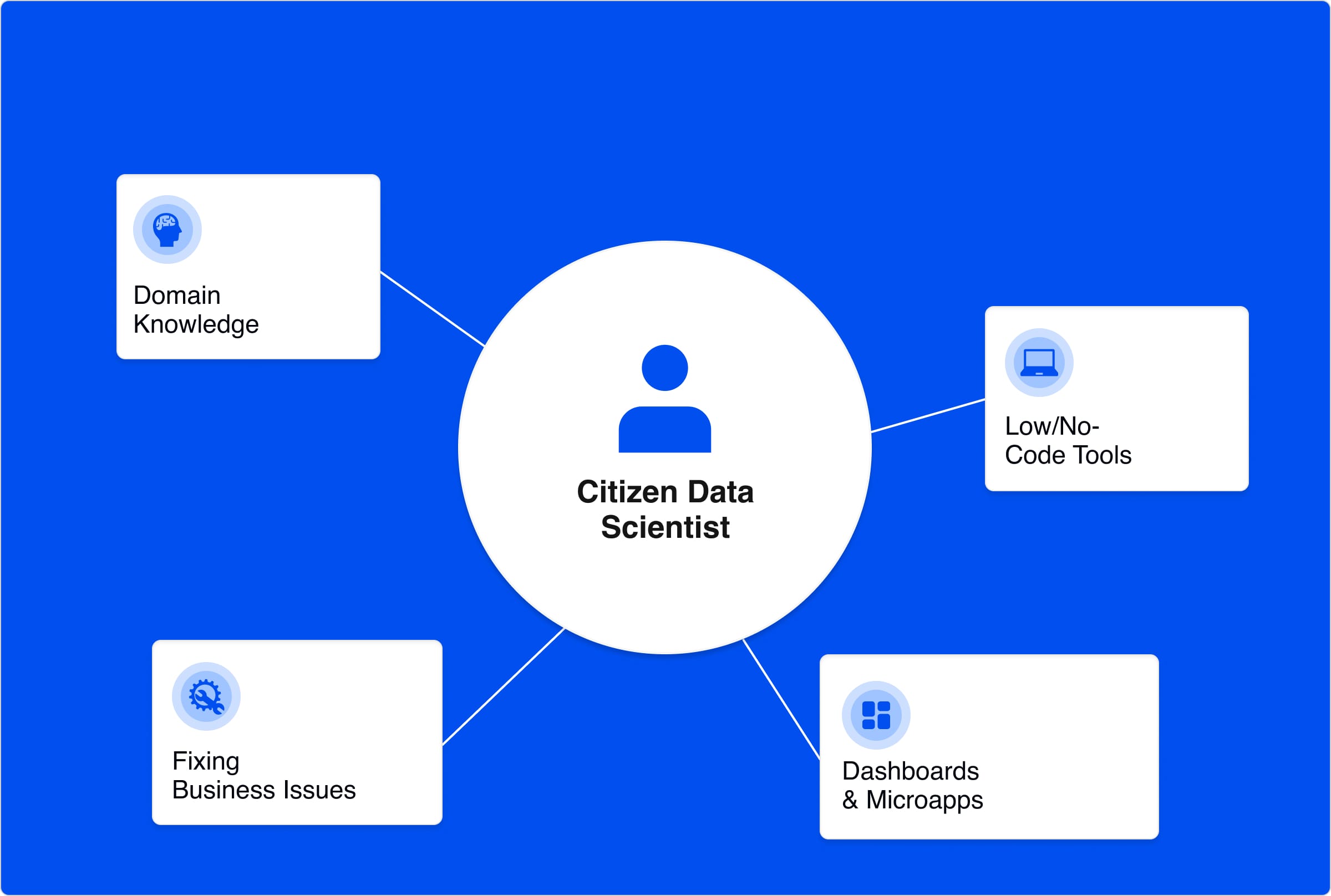
The new data consumer is no longer just a report-reader, they’re a creator. With AI, low-code tools, governed workspaces and the right support, analysts are building dashboards, workflows and AI-enabled apps, not just consuming them.
As Forrester Research puts it:
“With democratized development, the IT org will shift to enablement through platforms – the future: IT does platforms, everyone makes apps.”
This shift turns analysts into creators who move from idea to impact faster than ever-unlocking innovation, reducing dependency on IT and accelerating data-driven outcomes.
From Silos to Communities
Collaboration is a defining characteristic of the new data consumer.
Modern analysts are part of cross-department analytics communities where teams:
- share code, notebooks, dashboards and apps
- reuse validated, published datasets
- follow shared standards
- contribute to common best practices
This shift aligns with the FAIR principles for enterprise data for data reuse a for data reuse and is also established by the GO FAIR initiative (go-fair.org). Reuse reduces duplication, increases consistency and strengthens organisational memory.share notebooks, dashboards and apps
Why the New Data Consumer Matters
Recognising this shift is crucial because organisations that embrace the new analyst profile can:
- Empower teams with scalable, governed analytics platforms
- Accelerate decision-making
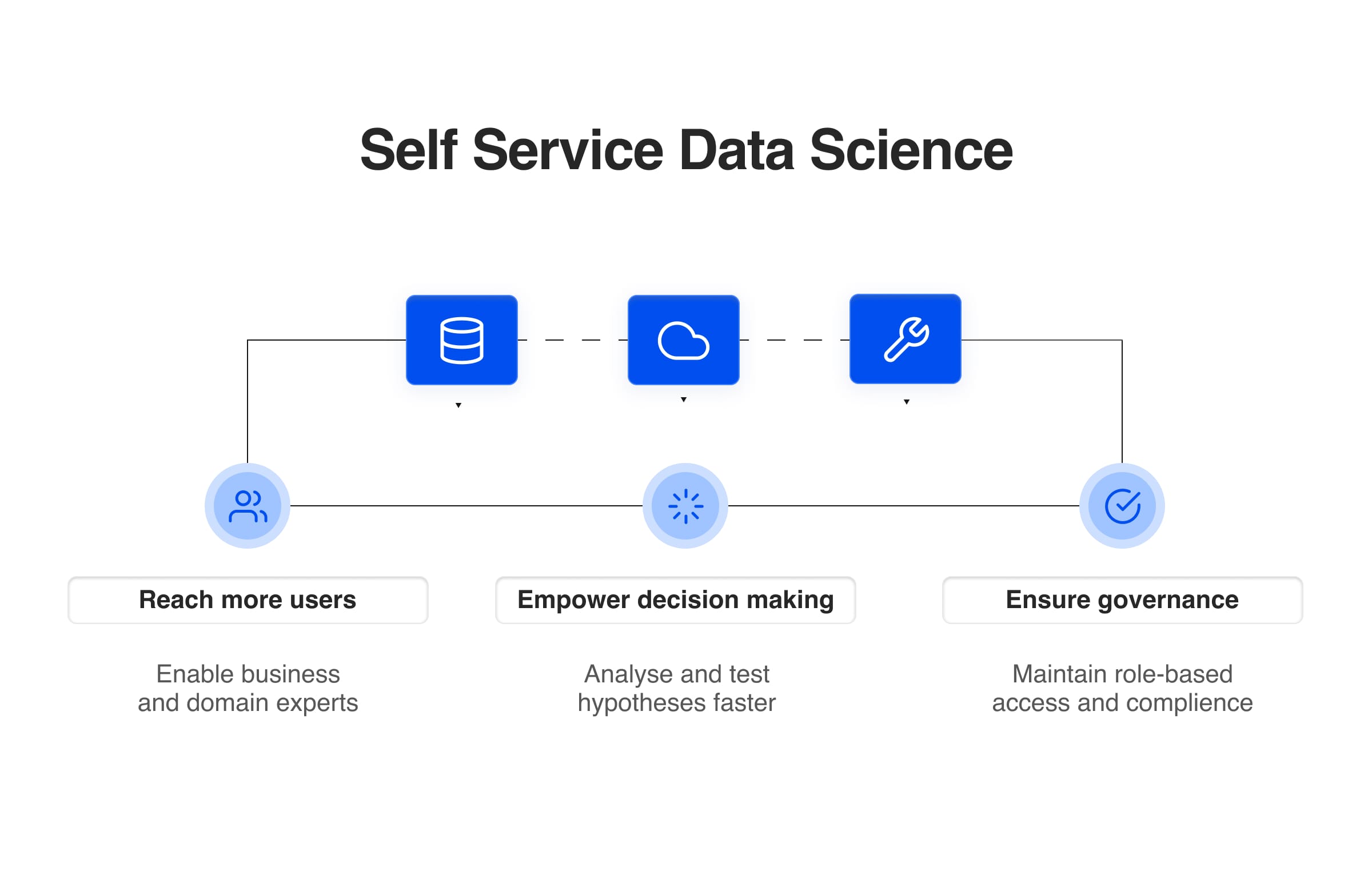
- Reduce IT backlogs through safe self-service
- Increase adoption of AI copilots
- Promote collaboration and reuse
- Support continuous innovation
The business analyst of 2025 doesn’t simply analyse data, they shape decisions, co-create solutions and accelerate digital transformation.
How Adamatics Supports the New Data Consumer
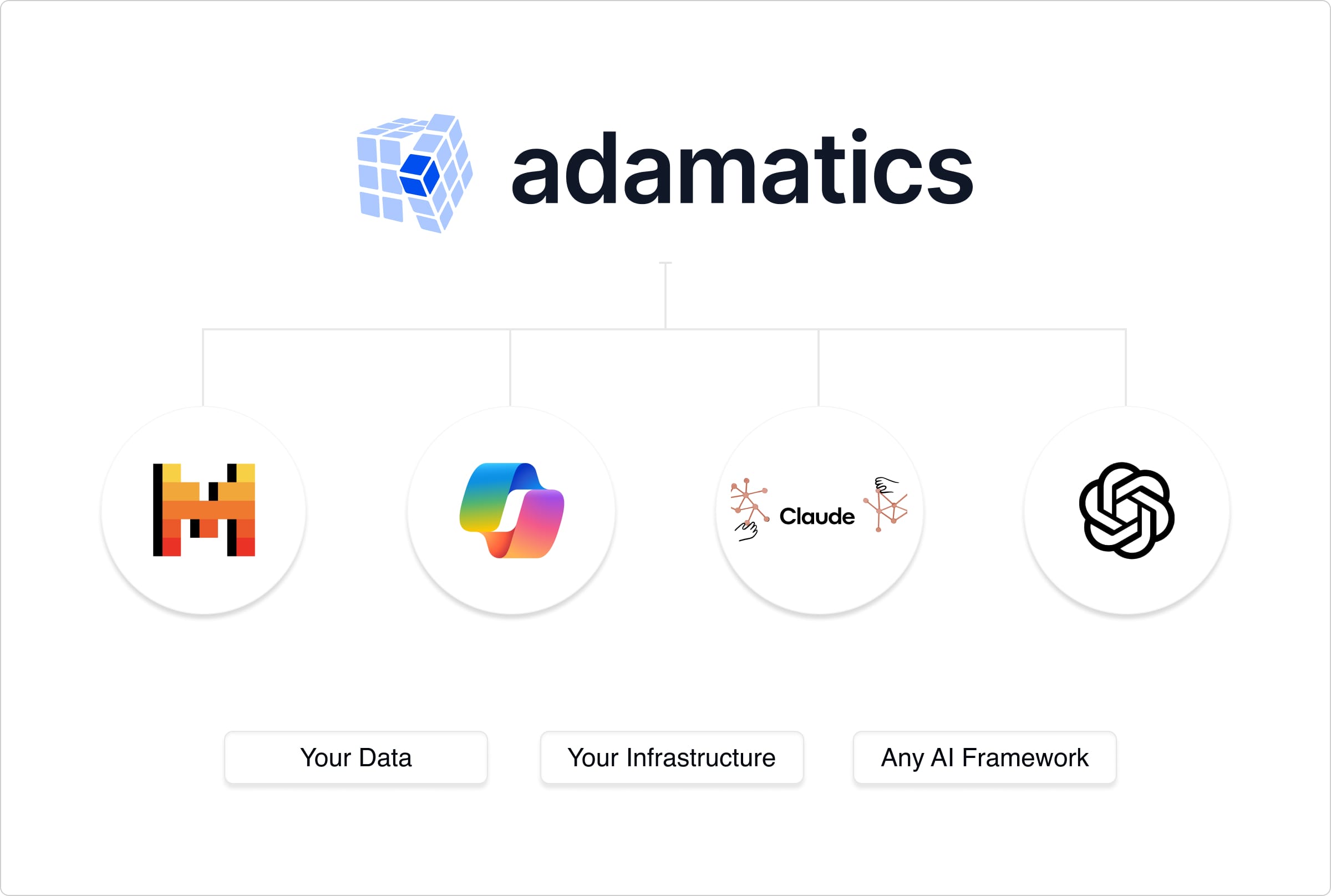
The Adamatics platform is designed for the new data consumer. It provides:
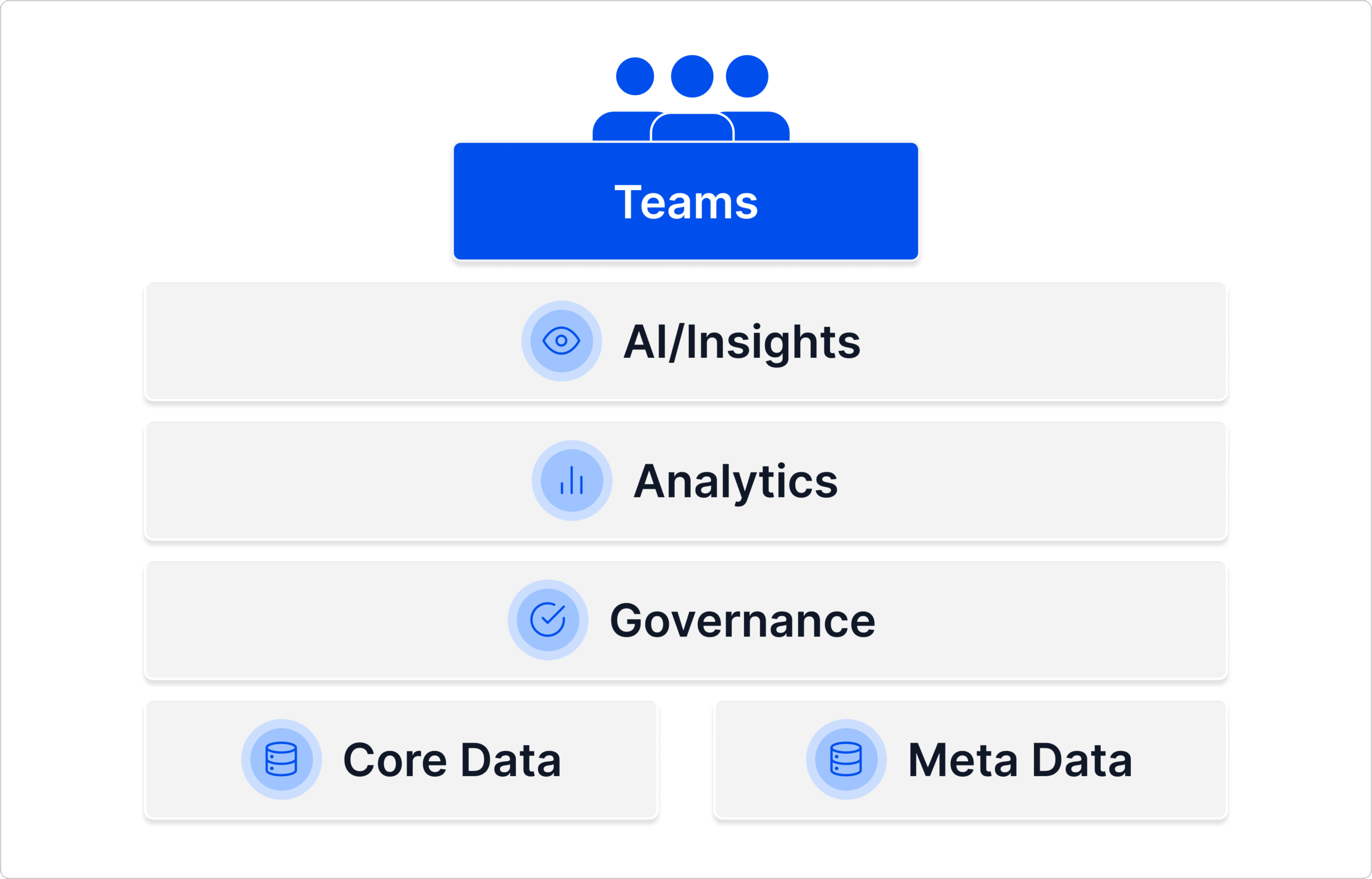
- governed, identity-aware data access
- a secure containerised workspace
- templates for notebooks, apps and working with AI
- reusable assets through the Gallery
- an Integration Layer that ensures safe, API-driven data access
This combination allows analysts to work faster, collaborate better and build reliably on top of existing enterprise systems.
Ready to Equip the New Data Consumer in Your Organisation?
The shift is already here.
If you want your analysts to work more effectively in 2026 and beyond, now is the time to prepare.
 Let’s connect and explore how Adamatics can empower your analytics workforce:
FAQ's
Who is the new data consumer in 2026?
The new data consumer is a modern business analyst who works inside cloud-native platforms, uses AI copilots for faster exploration and collaborates through shared analytics environments. They move beyond spreadsheets and static reports, creating workflows, dashboards and lightweight apps that support decision-making across the organisation.
How are tools and platforms changing for modern analysts?
Modern analysts are moving from desktop tools like Excel to governed, cloud-based platforms that connect directly to enterprise data sources. These platforms provide identity-aware access, reproducible environments and collaborative workspaces that eliminate versioning issues and support scalable analytics.
How does generative AI change the way analysts work?
Generative AI copilots allow analysts to query data using natural language, generate insights faster and transform static reporting into ongoing conversations. AI helps analysts explain anomalies, summarise trends and explore new questions without manually building every analysis from scratch.
Why are analysts becoming creators rather than just consumers of insights?
Analysts are becoming creators because no-code and low-code tools allow them to build dashboards, workflows, models and internal apps without relying heavily on IT. As Forrester notes: “With democratized development, the IT org will shift to enablement through platforms — the future: IT does platforms, everyone makes apps.” This shift enables analysts to move from idea to impact more quickly.
How does collaboration shape the new data consumer?
The new data consumer works within cross-functional analytics communities where teams share notebooks, dashboards, datasets and templates. This reuse reduces duplicated work, increases consistency and accelerates learning. Collaboration becomes a default behaviour rather than an exception.
Why is this shift important for organisations?
This shift is important because it enables faster decision-making, reduces dependency on IT backlogs and increases the adoption of governed analytics practices. Organisations that empower the new data consumer can scale insights more easily, strengthen data culture and accelerate digital transformation.
How does the Adamatics platform support the new data consumer?
The Adamatics platform provides governed data access, containerised workspaces, ready-made templates, identity pass-through and a Gallery for reusable assets. It supports the new data consumer by giving analysts a secure, collaborative environment to explore data, build solutions and apply GenAI safely inside the enterprise perimeter.