Citizen Data Scientists: Hype or the Future of Enterprise Analytics?
As organizations race to become more data-driven, one question keeps resurfacing:
Are citizen data scientists the future of enterprise analytics? Or just a buzzword?
With growing data complexity, limited specialist capacity, and a business environment that demands fast insight cycles, many enterprises are turning these professionals as a strategic accelerator. Far from a passing trend, it represents a practical evolution in how analytics gets done.
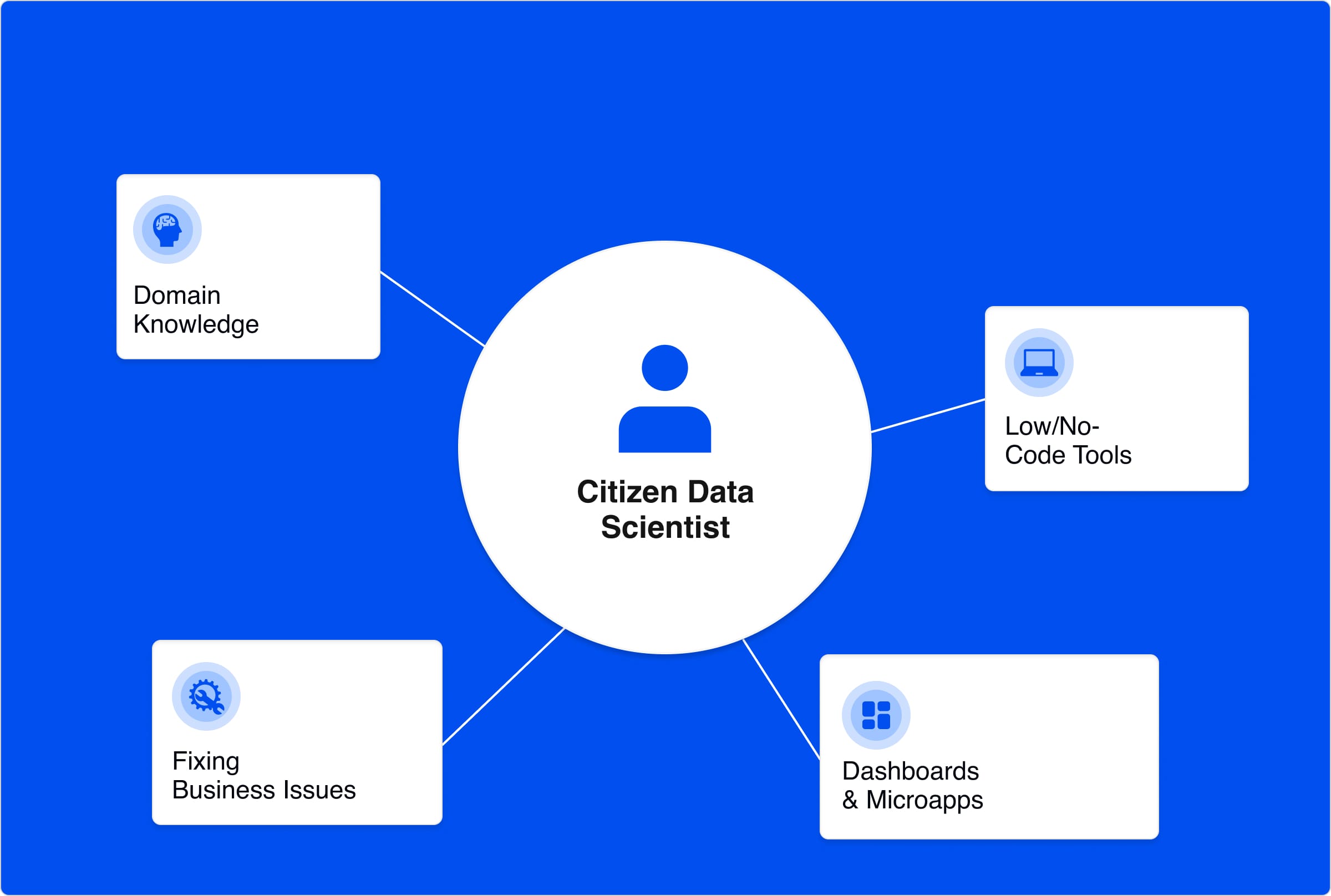
Table of Contents
What is a Citizen Data Scientist?
They are a domain expert who uses modern analytics tools—without needing deep programming or machine learning expertise.
They are not replacements for professional data scientists. Instead, they are:
- Finance managers analyzing revenue trends
- Product owners exploring usage patterns
- Supply-chain analysts modeling inventory risks
- Research Scientists and Engineers solving complex problems
- … and much more
These individuals understand their business deeply. With the right tools, they can generate insight faster and closer to the problem.
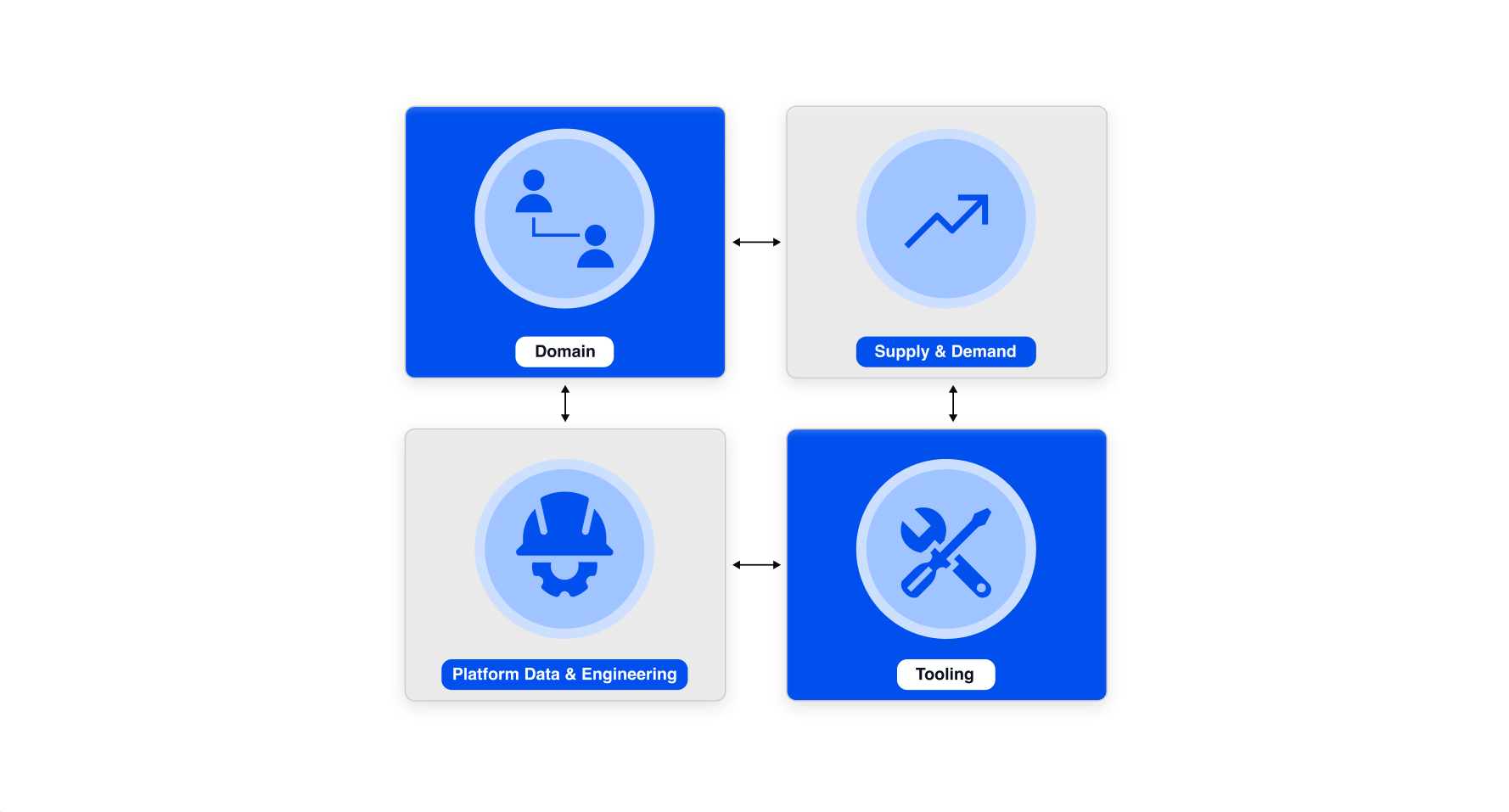
Why Do Citizen data Scientists Matter Now
1) The Talent Gap is Real
Demand for skilled data scientists continues to exceed supply.
They help close the execution gap by distributing analytical work across the business in a decentralized manner.
2) Domain Expertise = Better Insights
Professional data scientists often lack deep contextual business knowledge.
Citizen data scientists’ skillset allows them to bridge the gap because they:
- Understand business processes from experience
- Know the data’s meaning and context better
- Can evaluate impact quickly from a business perspective
3) Platforms Finally Support Them
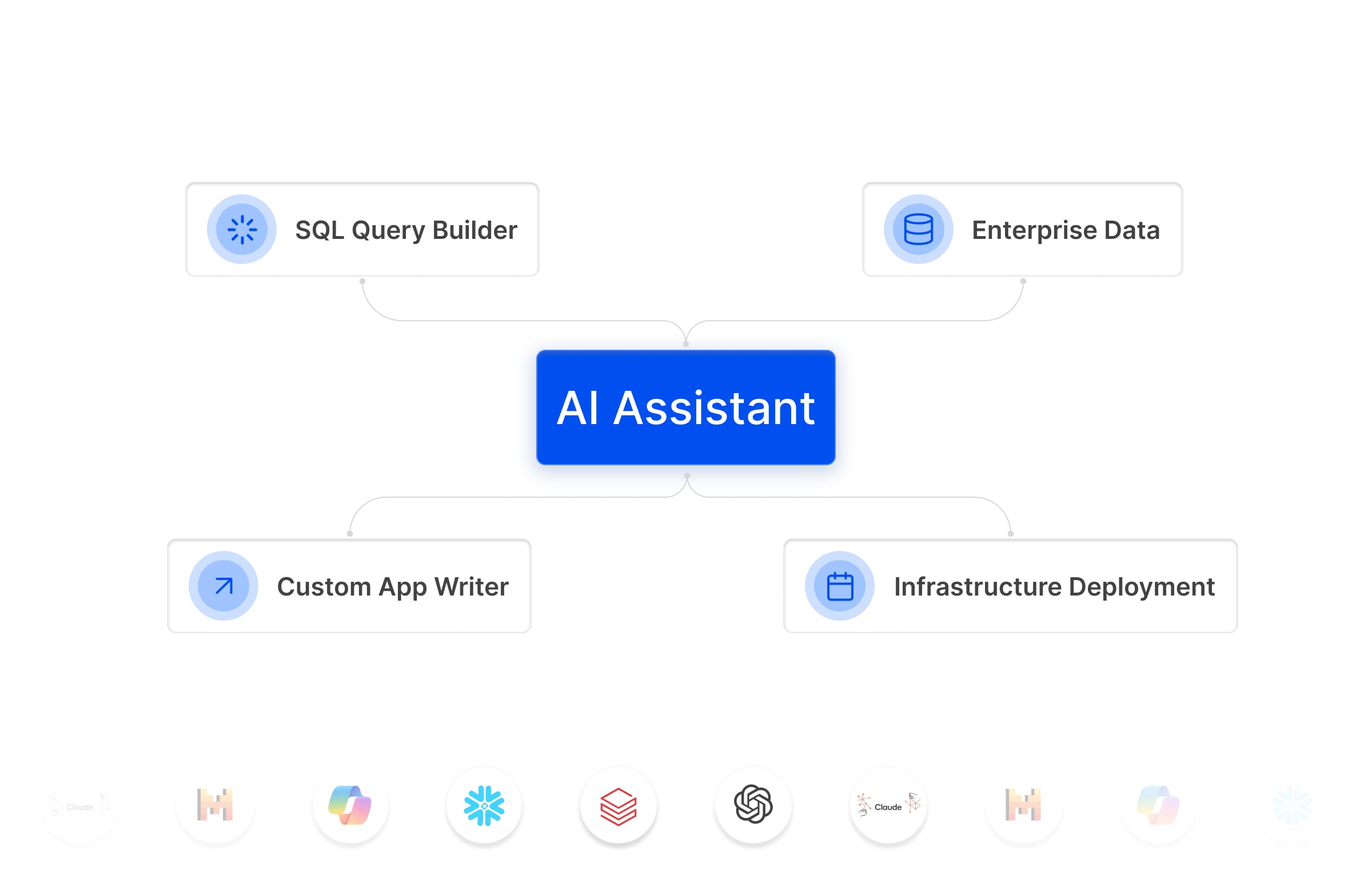
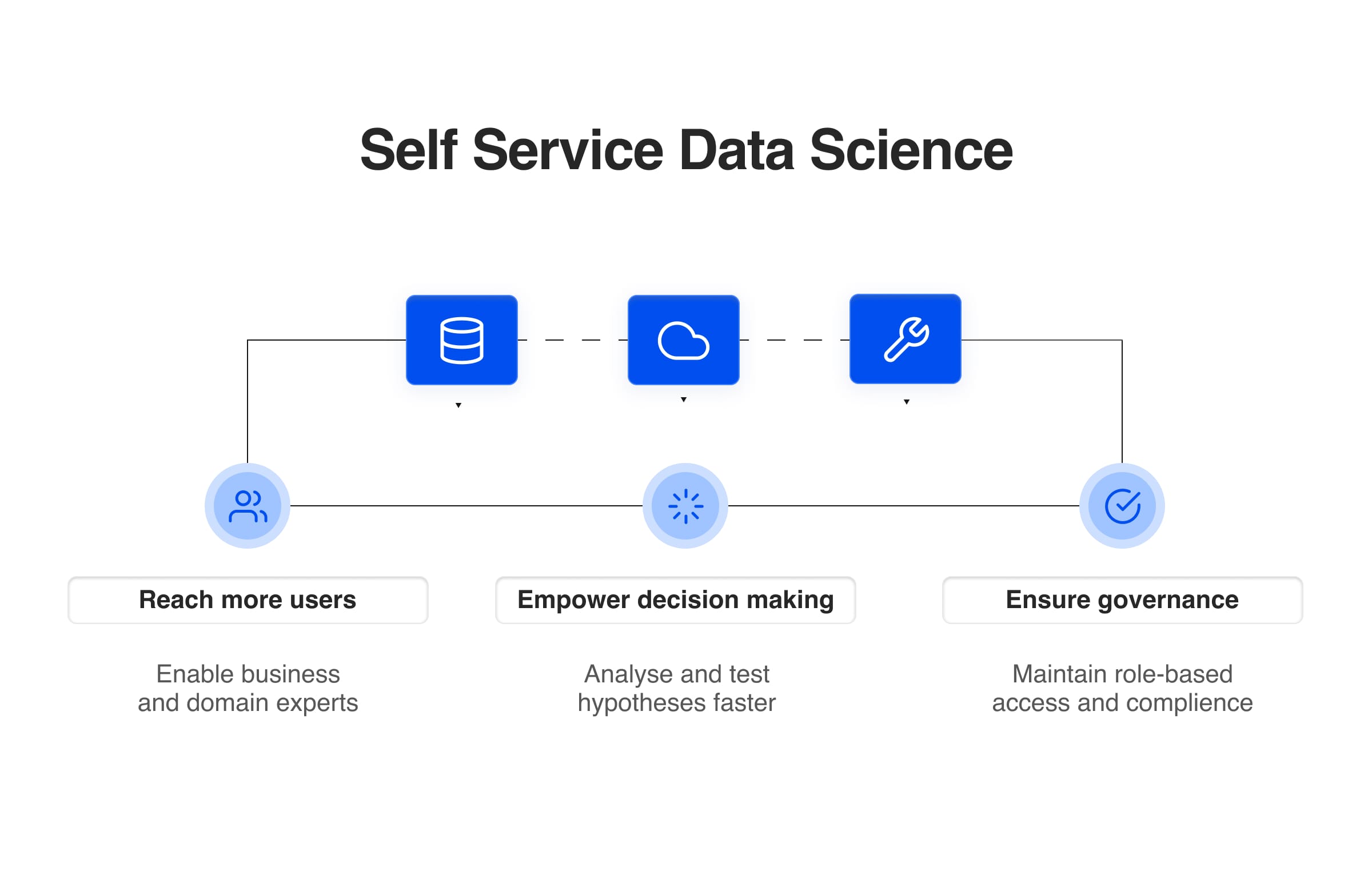
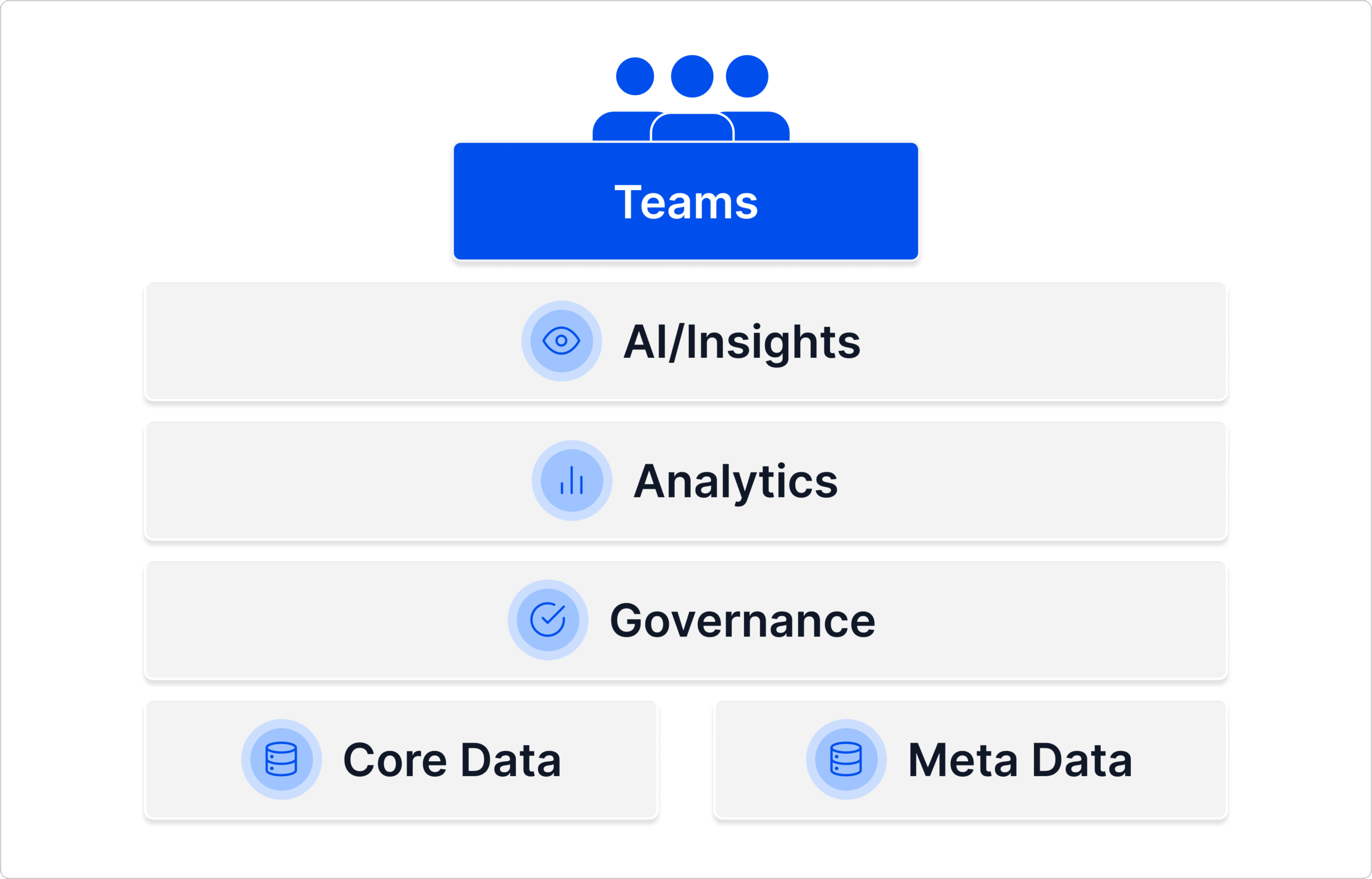
Modern governed platforms-including notebook-to-app workspaces, integrated AI assistants, and low-code tooling allow citizen data scientists to:
- Access trusted data easily and securely
- Build dashboards, notebooks, apps and models from predefined templates
- Share insights securely without relying heavily on IT.
The Risks (and how to mitigate them)
Citizen data scientists introduce clear benefits, but only when paired with proper governance.
- The Risks
- Poor governance → “application sprawl”
- Data security gaps
- Inconsistent logic, code that is hard to maintain or duplicated work
- Misuse of algorithms and tooling
- Migitate With
- Shared, governed workspaces
- Easy version control + audit trails
- Standardized templates + component building blocks
- Automatic role-based access
- Professional data scientists providing oversight, training, sparring & framework
This hybrid model keeps innovation accessible – while maintaining quality and compliance.
Citizen Data Scientists vs. Data Scientists
Citizen Data Scientist | Data Scientist | |
Primary Focus | Business Problems and Process | Advanced Analytics, Machine Learning, GenAI Implementation |
Skills | Domain Knowledge, Deep Data Understanding, Some Coding Skills | Machine Learning, Programming, Application and Framework Development |
Tools | Low/No-Code Tools, Building From Examples, GenAI Coding Helpers | Code-Driven Workflows, Complex Tooling |
Output | Interactive Dashboards, micro-apps, Rich Visualizations | ML Models, Applications, Frameworkds, Pipelines etc |
They are complementary, not competitive.
Professional data scientists build the foundations. This includes data pipelines, integration frameworks, ML models and governance while citizen data scientists scale impact across the business – co-located with the end users.
The Future of Enterprise Analytics
So, are citizen data scientist taking over from traditional data science?
Far from it.
Everybody wins when business users, citizen data scientists and data scientists and professional developers collaborate.
The most successful enterprises will:
- Empower domain experts with secure access to trusted data
- Provide governed platforms with shared workflows that promotes collaboration and learning
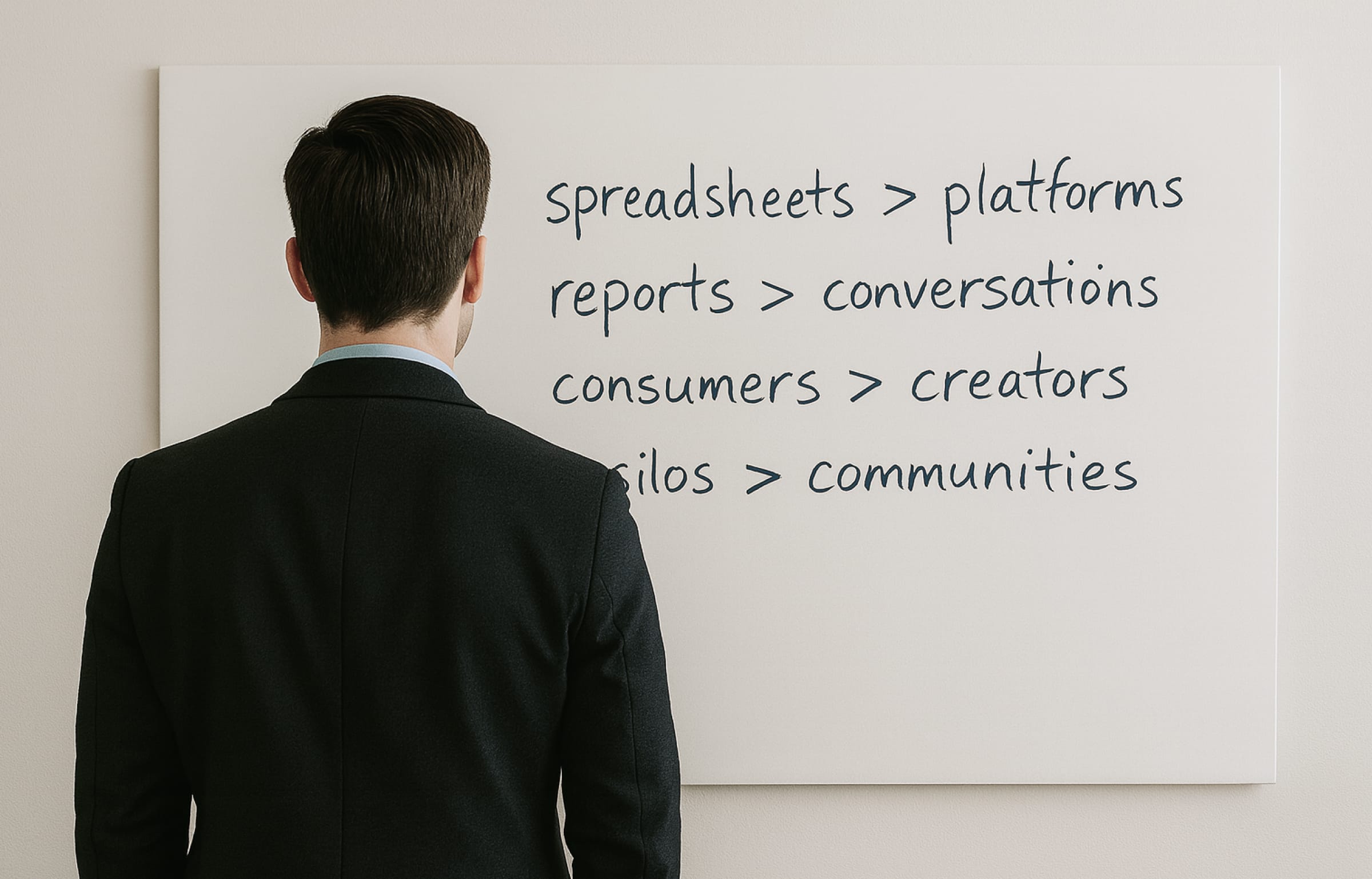
- Adopt hybrid analytics teams where a unified approach to collaborative analytics will bridge silos
- Promote reuse over reinvention and ensure FAIR data and analytics
When citizen data scientists work alongside data / It specialists, enterprises:
- Deliver insights faster
- Reduce analyst bottlenecks
- Improve decision-making
- Build a wider culture of experimentation, learning and knowledge sharing
Citizen data science is simply the next stage in democratizing data because the act as translators between business and IT while they close the supply and demand gap for analytics.
How to Get Started
To support citizen data scientists, organizations should:
1) Establish governance first
Identity management, access controls, and versioning ensure safe expansion.
2) Provide central, secure analytics workspaces
Give teams access to:
- Trusted data sources
- Pre-defined compute environments
- Documented components
3) Encourage reuse
Templates, examples, dashboards, data models – these reduce duplication and accelerate delivery.
4) Create a hybrid operating model
Data scientists set standards; citizen data scientists scale impact.
Final Thought
These professionals are not a shortcut – they are a strategic investment in bringing analytics closer to the business. When supported by the right platform, they help enterprises unlock faster insights, greater agility, and broader data adoption. We have seen this work at different scales and when done right create amazing results and happy productive teams.
Reach Out to us Today
Want to empower secure citizen data science in your organization?
Book a discovery call and learn how the Adamatics platform supports governed self-service analytics.