The Adamatics Integration Layer
The Adamatics Integration Layer serves as a centralized API framework within the Adamatics platform, facilitating seamless, secure, and governed access to diverse enterprise data sources. By aligning with the FAIR principles, the Integration Layer ensures that data is not only accessible but also optimized for reuse, interoperability, and discoverability.
What is the Adamatics integration layer?
The Adamatics Integration Layer is a core part of the Adamatics platform. It serves as an enterprise-wide API – a programmable gateway that connects users and applications to the company’s internal data and digital services.
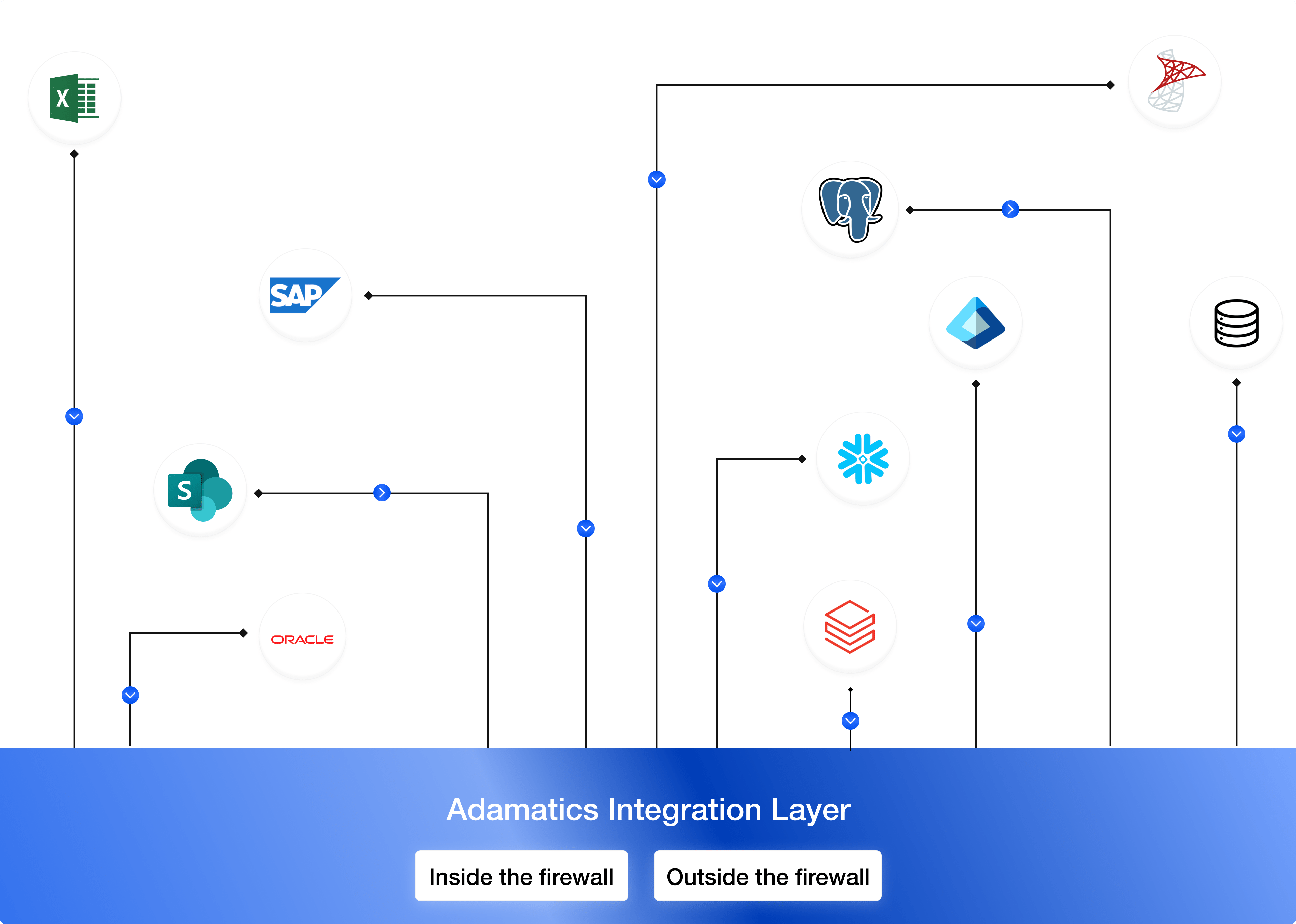
It eliminates the complexity traditionally associated with accessing siloed enterprise data. Whether your systems are legacy on-prem databases, SharePoint lists, file stores, network drives, or modern cloud platforms like Snowflake and Databricks, the integration layer brings them together into a coherent, secure, and reusable interface.
What does the Adamatics integration layer do?
At its core, the integration layer enables:
- Secure, user-based access to enterprise systems
- Federated data queries across multiple sources
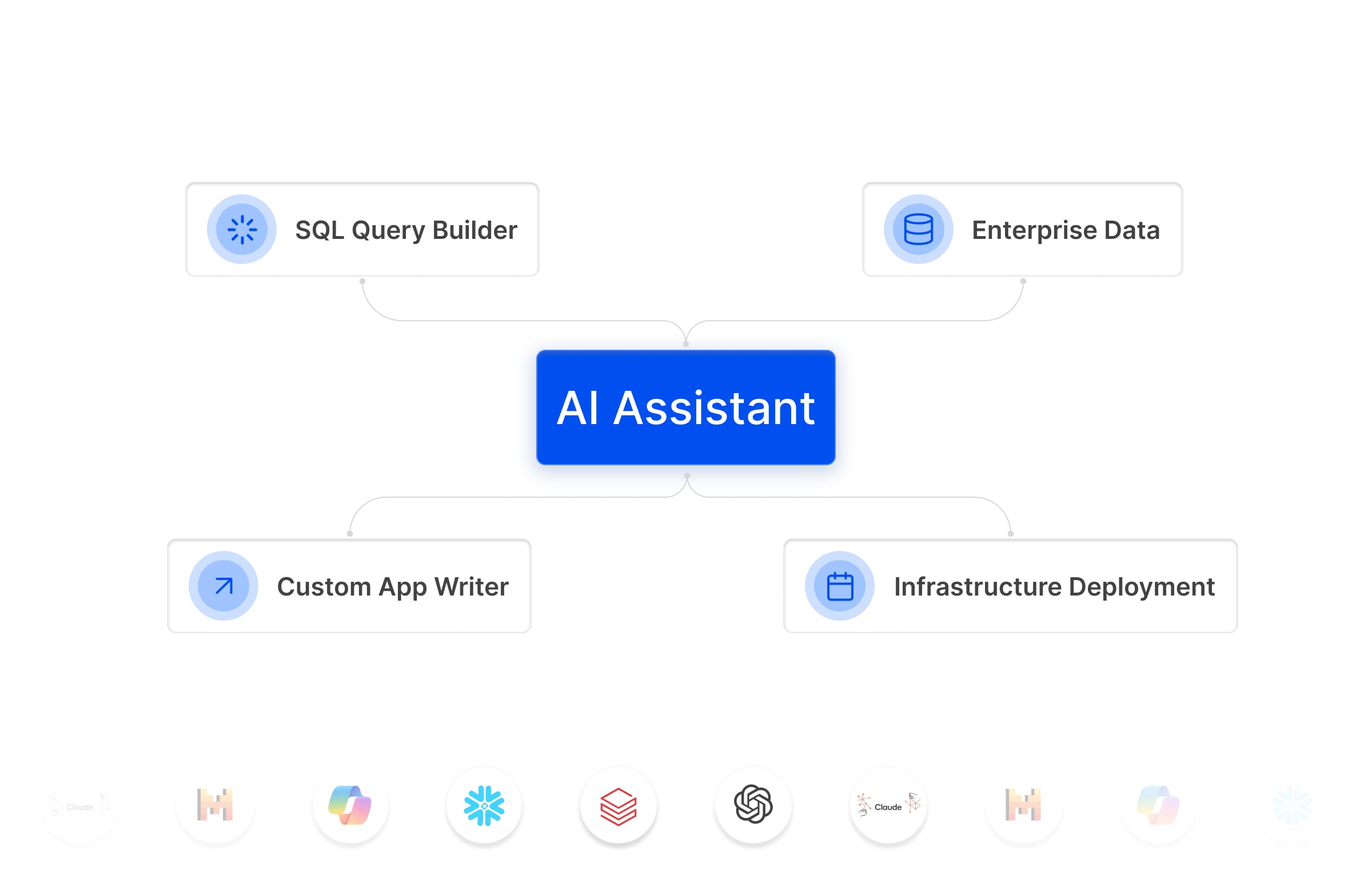
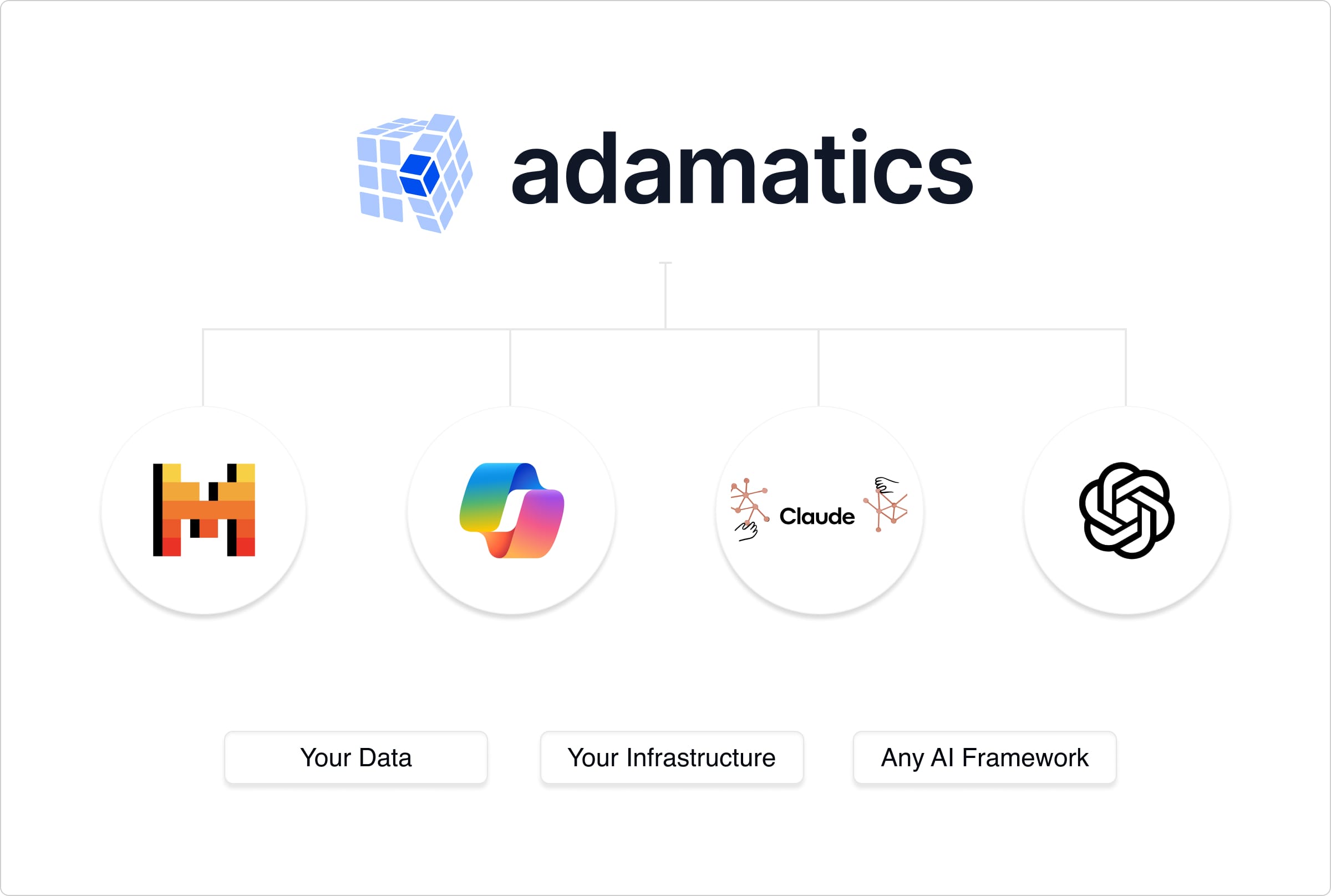
- Reusable APIs for citizen developers and AI agents
- Compute orchestration inside existing IT infrastructure
How does the Adamatics integration layer work?
1) Single Sign-On (SSO) Identity Propagation Every time a user logs in to the Adamatics platform, we use their SSO token to securely authenticate and identify them. This identity is consistently passed along when accessing backend systems – ensuring data governance and traceability.
2) Programmatic Access to Data The integration layer acts as a middleware API. It abstracts the complexity of direct database access and presents unified endpoints that can be used in:
- Jupyter notebooks
- CI/CD pipelines
- Custom applications
- AI workflows
3. Inside and Outside the Firewall Whether your resources are behind corporate firewalls or in the cloud, we manage identity-based connections to both environments – securely and transparently.
Key benefits
We make the hard things easy for others
At its core, the integration layer enables:
- User Identification & Authentication Built-in SSO support ensures access is always secure and auditable
- Seamless Data Access Across Systems No more jumping through hoops. Access Excel sheets, Oracle databases, SharePoint lists, or Snowflake tables with the same API layer.
- API Integration Across Tools Plug your enterprise data into modern tools like LangChain agents, Streamlit apps, or MLOps pipelines without reinventing the wheel.
- Flexible Compute Whether you need to run data pipelines or heavy analytics, the layer orchestrates compute resources—on-prem or in the cloud.
- Support for Custom Data Models and Workflows Easily extendable APIs allow the creation of reusable, governed workflows tailored to business needs.
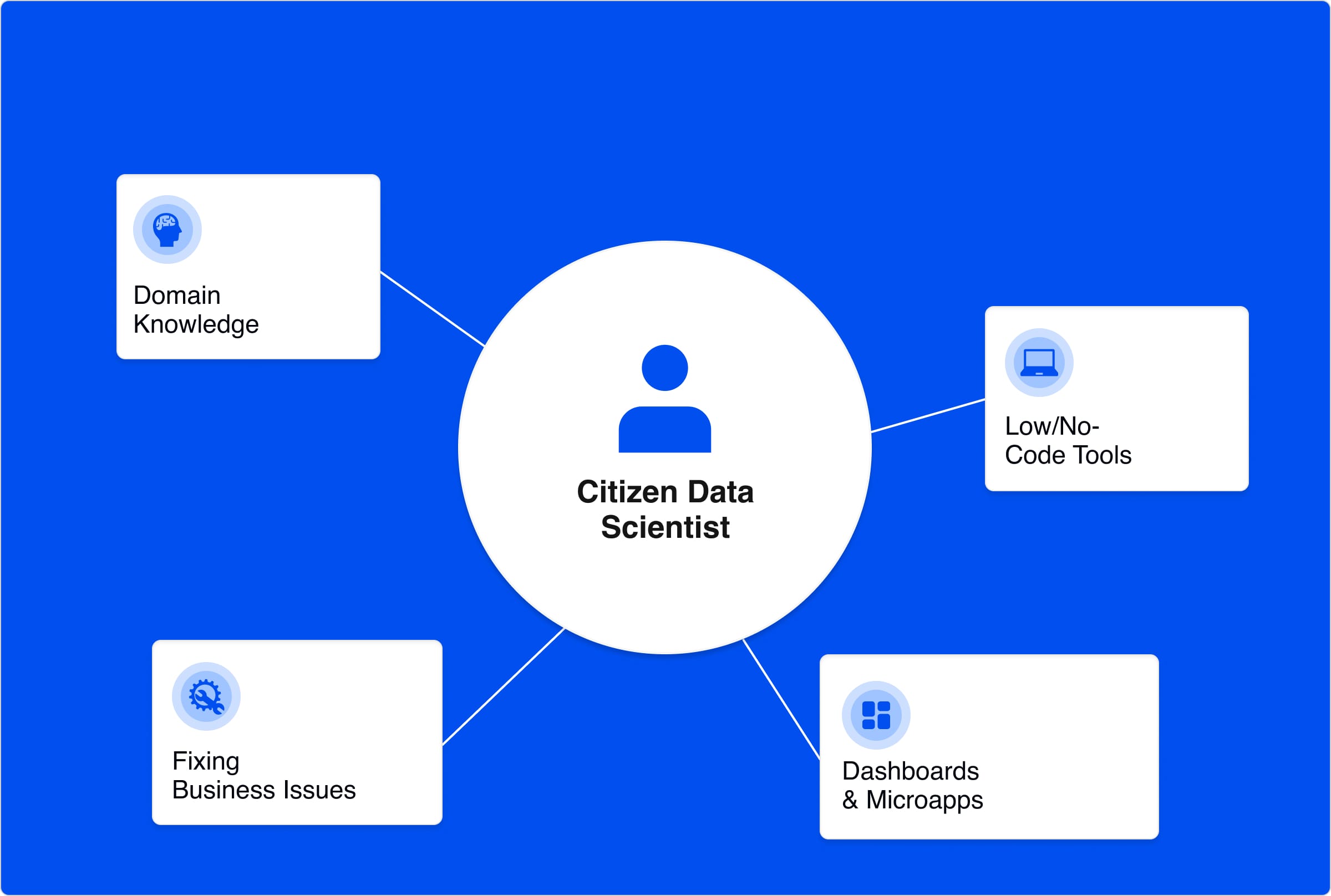
Built for Citizen Developers
Each connected data source comes with:
- Versioned APIs with unit tests
- Best-practice access control and security models
- Rich documentation in the form of notebooks, code snippets and visual gallery cards
- Governance rules (who can access, use and combine data – and how)
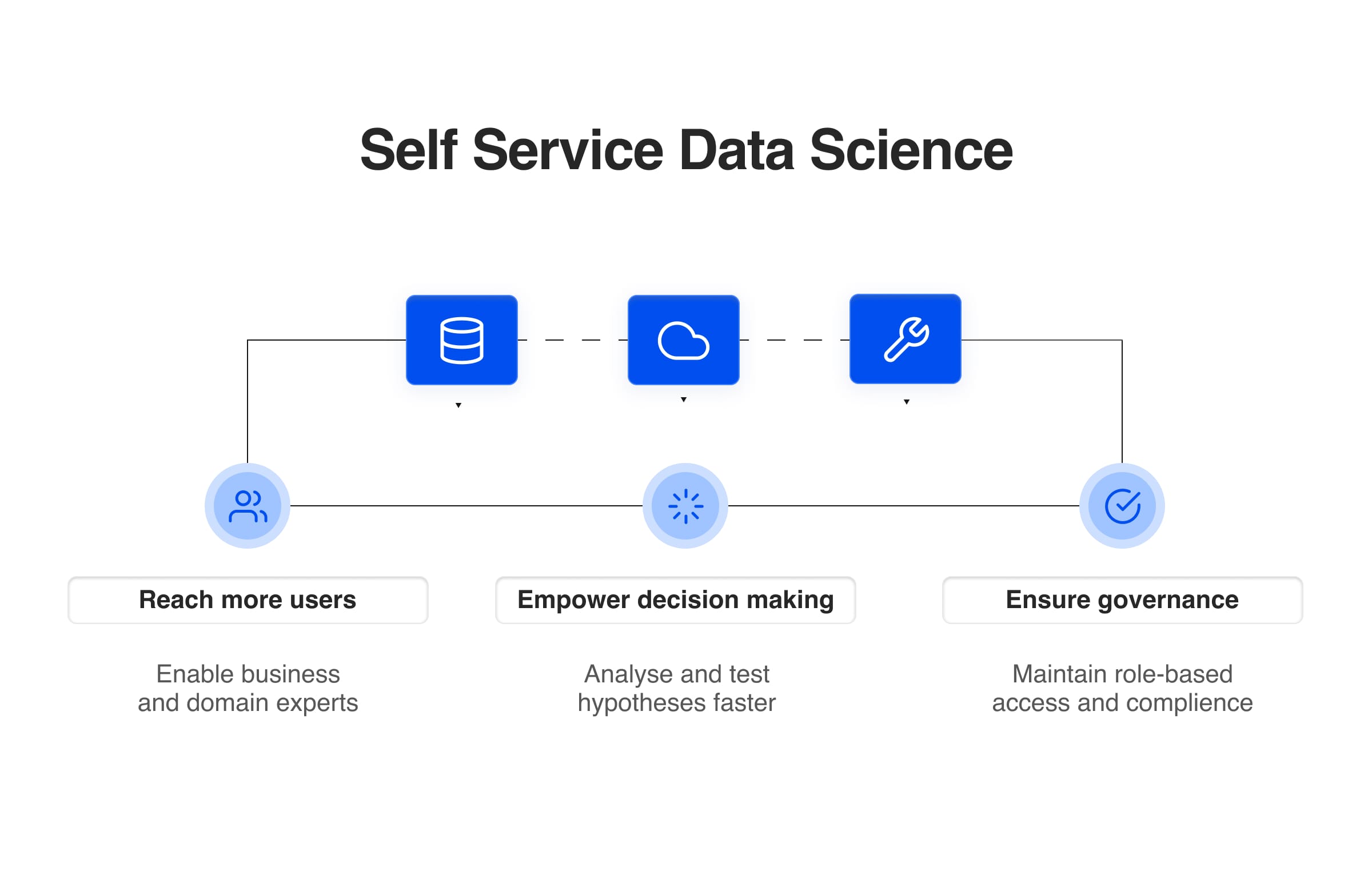
By simplifying access to structured and unstructured data, the Integration Layer helps teams ask new types of cross-domain questions and rapidly build solutions with real business impact.
Forward-Looking Capability: Ready for GenAI
The Integration Layer isn’t just about access – it’s about enablement. It’s the backbone for future-facing use cases, such as:
- Feeding GenAI agents with real-time enterprise context
- Creating live APIs for internal tools
- Linking structured data with knowledge graphs or RAG pipelines
Your API, Your Control
We help you bootstrap a secure API library – connected to your infrastructure, managed by you. You retain full control, while leveraging Adamatics’ proven integration design and scalable deployment approach.
Alignment with FAIR Principles
Findable:
- Comprehensive Metadata Cataloging: Each data source and API endpoint is documented with rich metadata, including descriptions, usage guidelines, and provenance information, ensuring discoverability within the platform’s gallery.
- Searchable Interface: The platform provides a searchable interface where users can locate data sources and APIs based on various criteria, enhancing the ease of finding relevant data assets.
Accessible:
- Standardized Access Protocols: Data and metadata are retrievable through standardized communication protocols, ensuring consistent and reliable access across the platform.(docs.redivis.com)
- Authentication and Authorization: Access to data sources is governed by robust authentication and authorization mechanisms, leveraging the organization’s preferred identity providers to maintain security and compliance.
Interoperable
- Unified Data Access Layer: The Integration Layer abstracts the complexities of disparate data sources, providing a unified interface that supports various data formats and systems, including relational databases, cloud storage, and third-party services.
- Standardized Data Models: By employing standardized data models and schemas, the platform ensures that data from different sources can be integrated and utilized cohesively.
Reusable
- Versioned APIs with Documentation: APIs are version-controlled and accompanied by comprehensive documentation, including usage examples and best practices, facilitating their reuse across different projects and teams.
- Governance and Compliance: The platform enforces data governance policies, ensuring that data usage complies with organizational standards and regulatory requirements, thereby supporting responsible and sustainable data reuse.
Ready to unify your analytics ecosystem?
The Adamatics Integration Layer brings your tools, data, and users together securely and seamlessly. Get in touch to see how it can simplify your operations and accelerate innovation across your organization.
FAQ's
What is the Adamatics Integration Layer?
The Adamatics Integration Layer is a governed API “switchboard” that connects in-house systems and external services into a single, consistent interface. It abstracts the complexity of databases, data platforms, web services and APIs so developers and analysts can access enterprise systems through one standardised layer instead of building point-to-point integrations.
How does the Integration Layer connect to existing enterprise systems?
The Integration Layer connects to systems such as Snowflake, Databricks, SQL databases, object stores, SharePoint and internal APIs using governed, reusable connectors. These connections are configured once by platform or IT teams and then exposed in a consistent way so applications, notebooks and agents can consume them without custom plumbing.
How does the Integration Layer handle identity and access control?
The Integration Layer uses identity pass-through from your existing identity provider, such as Okta, Entra ID or Active Directory. When a user authenticates, their access token is propagated to downstream services so they only see the data and functions they are allowed to use. This avoids sharing credentials, hard-coding secrets or duplicating permission models.
How does the Integration Layer help developers build apps faster?
Developers can call onboarded services through a central Python library and API instead of wiring up each integration from scratch. This means authentication, connectivity, policies and observability are handled by the platform, so teams can focus on business logic and user experience rather than low-level infrastructure details.
What governance and observability does the Integration Layer provide?
Because all access flows through a single governed layer, organisations gain consistent logging, auditing and policy enforcement across apps, notebooks and AI agents. The Integration Layer makes it easier to monitor usage, enforce data access rules and demonstrate compliance, while still supporting self-service development.
How is the Integration Layer different from traditional point-to-point integrations?
Traditional integrations are often built on a case-by-case basis, which leads to duplicated logic, inconsistent security and brittle connections. The Integration Layer replaces this with a reusable, centrally managed API layer that standardises how systems are accessed. This reduces complexity, improves maintainability and accelerates new development.
How can organisations start using the Adamatics Integration Layer?
Most organisations start by onboarding a few key systems—such as their main data warehouse, lakehouse or document store—into the Integration Layer. From there, development and analytics teams can begin using the shared library and APIs in their notebooks and apps. Over time, more systems can be added, creating a single, governed access layer across the enterprise.