From Notebook to Enterprise App in Hours
Instead of moving from notebook to app, valuable insights stay trapped in silos, work gets duplicated, and teams waste weeks trying to make results usable across the organisation. Every enterprise has that one scientist or analyst with a brilliant notebook, but it never leaves their laptop – Which is Why Brilliant Insights Stay Stuck
This problem is everywhere: ideas die in “prototype purgatory” before they ever deliver business value.
Table of Contents
The Common Bottleneck
Most data projects stall because:
- Teams depend too heavily on IT for deployment.
- There are no lightweight tools to share prototypes.
- Reproducibility is fragile — what works on one laptop often fails elsewhere.
The result? It can take weeks to move from a notebook to something colleagues can actually interact with.
A New Way of Working: The Adamatics Platform
The Adamatics platform solves this challenge. It makes data science a team sport — helping organisations move from notebook to app in hours.
With the Adamatics platform you get:
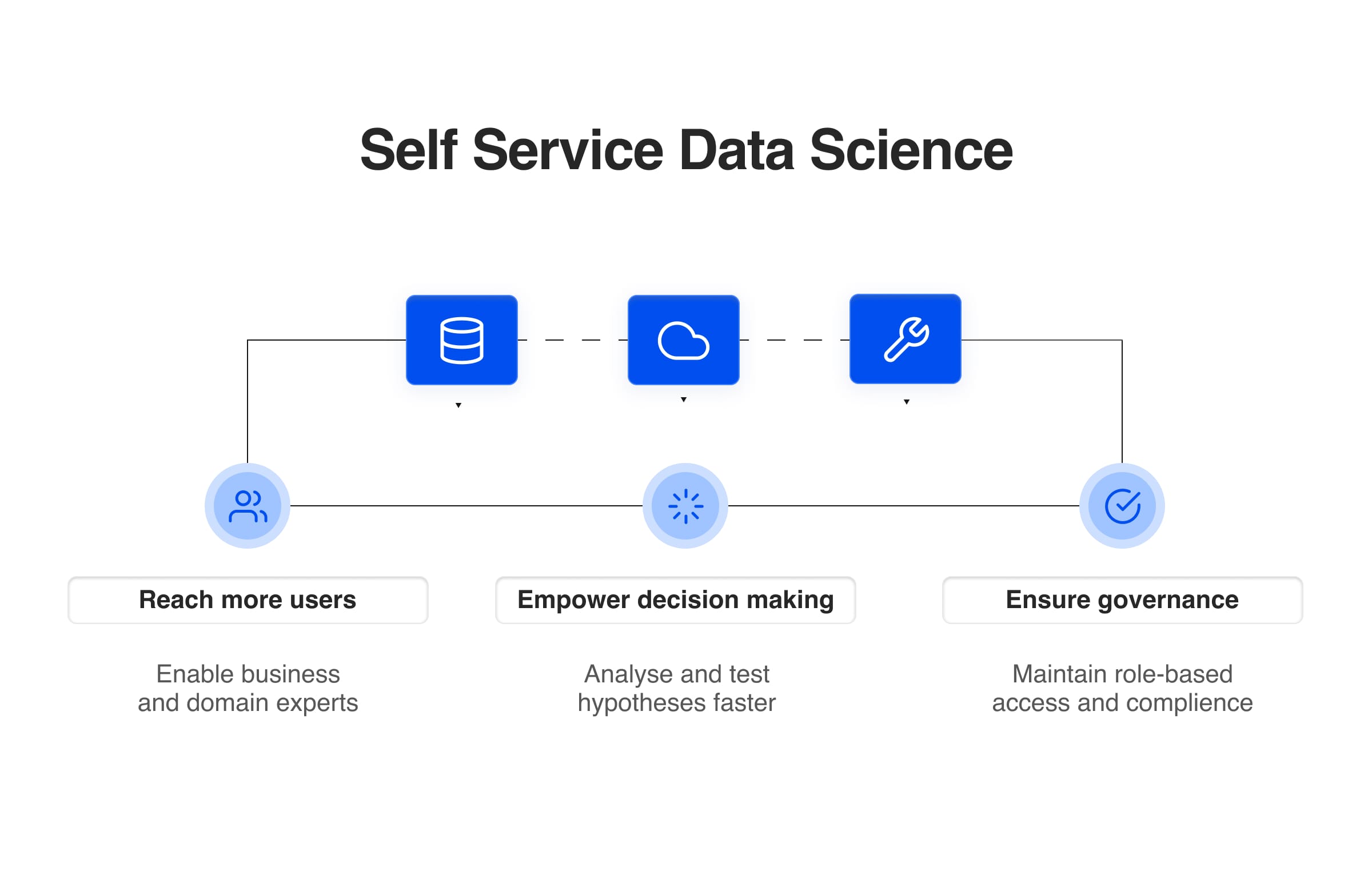
- One-click deployment — instantly turn notebooks into lightweight apps or dashboards.
- Enterprise-grade governance — built-in role-based access and SSO integration, so IT never loses control.
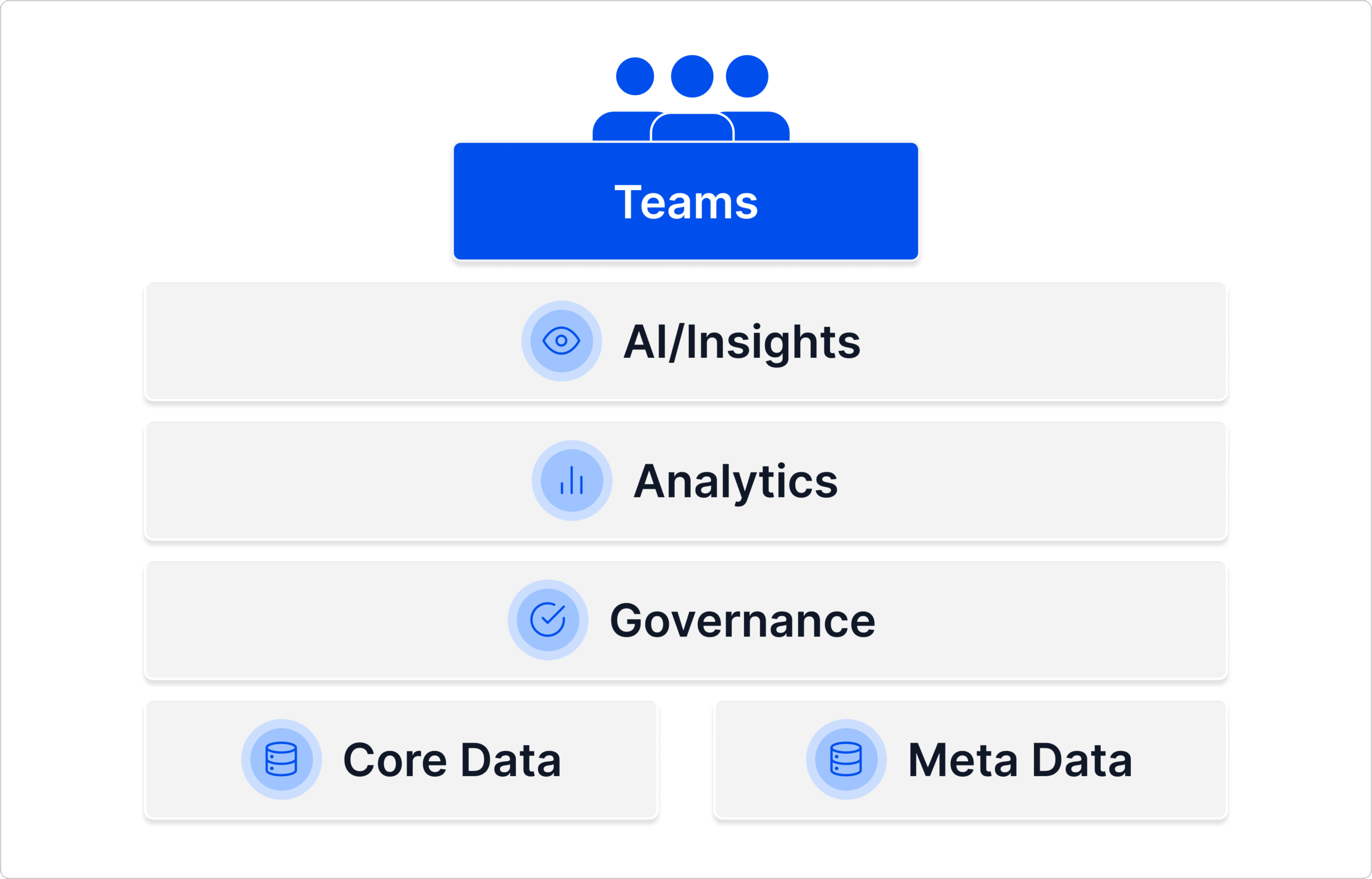
- Shared environment — one space for data scientists, citizen developers, and business users.
What Going From Notebook to App Looks Like in Practice
Here’s a common scenario:
- A lab tech consolidates data in Jupyter.
- With one click, they share it in the Adamatics platform.
- Colleagues in R&D, finance, or operations can interact with it — no coding required.
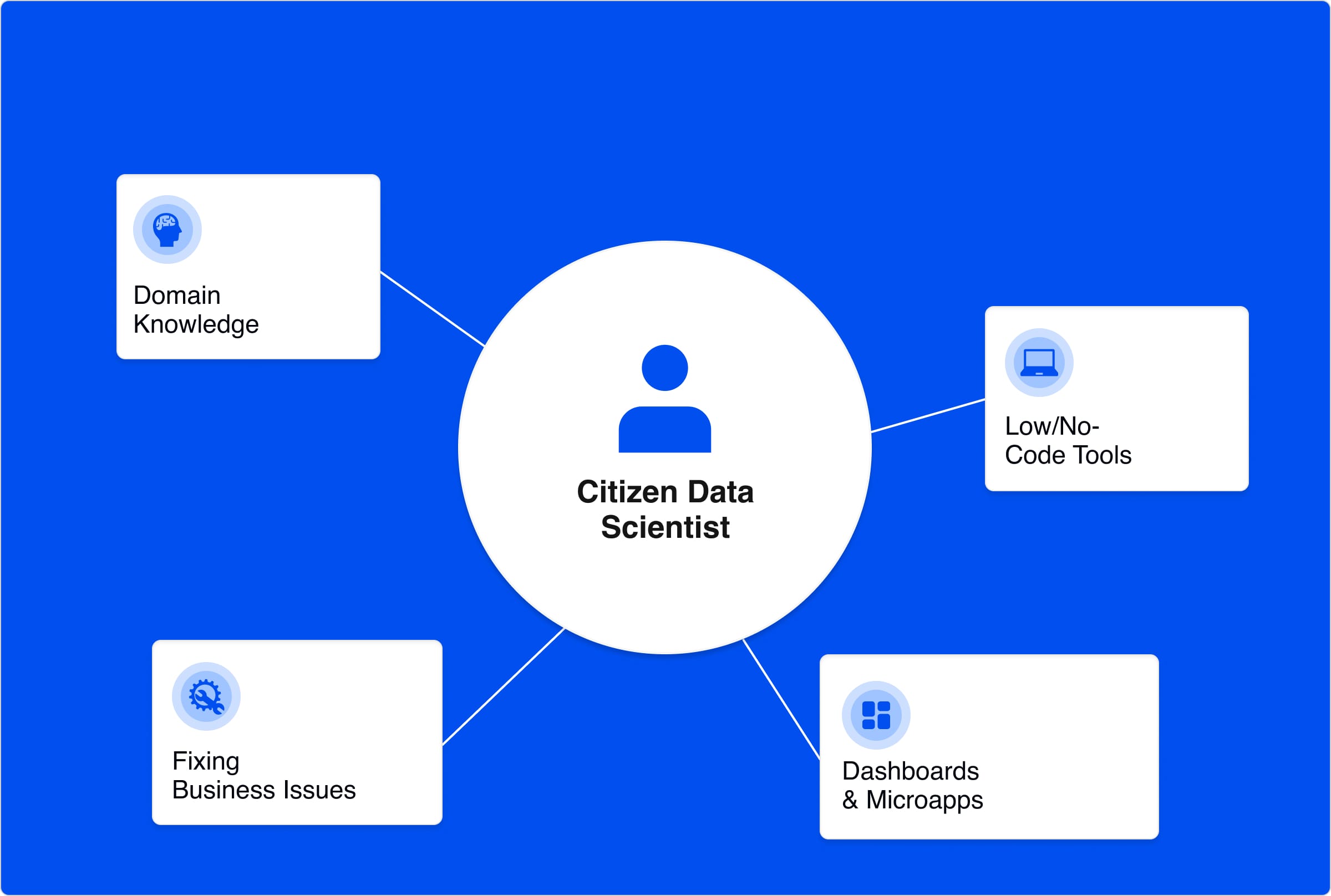
- Citizen data scientists adapt it, add features, and build on top.
- Business users consume insights via interactive dashboards.
The ripple effect is powerful: faster collaboration, less duplication, and insights that spread across departments instead of staying stuck on a single laptop.
Why Going From Notebook to App Matters for Your Organisation
Moving from notebook to app delivers real business impact:
- Speed – reduce timelines from weeks to hours.
- Scale – one governed environment for everyone, no silos.
- Culture – create innovation loops (share → reuse → improve).
- Cost – avoid years of building custom infrastructure.
From Frustration to Flow
If you’ve ever had a notebook stuck on a laptop that could have transformed your business if only others could access it — that’s exactly what the Adamatics platform was built to solve.
With Adamatics, you can:
- Remove blockers to delivery.
- Keep infrastructure and governance in sync.
- Move from notebook to app in hours, not weeks.
Want to see the platform in action?
Book a free demo today or download our free playbook: From Notebook to App in 5 Steps to learn how your team can accelerate innovation.
FAQ's
What does it mean to turn a notebook into an enterprise app?
Turning a notebook into an enterprise app means taking a prototype built in a Jupyter notebook and transforming it into a secure, reliable, and scalable application that teams can use across the organisation. This includes adding proper governance, packaging code, automating deployment, and ensuring the app runs consistently in production environments.
Why do organisations struggle to move from notebooks to production apps?
Most organisations struggle because notebooks are built for exploration, not deployment. Teams often lack standard environments, shared components, and governed data access. Handovers between analysts and engineers take weeks. Without a platform that supports fast packaging, testing, and deployment, prototypes stay stuck as notebooks instead of becoming real apps.
How can a shared platform speed up notebook-to-app development?
A shared platform provides standard environments, governed data connections, reusable components, and automated deployment. This removes the friction of configuring tools, aligning environments, and rewriting code. Analysts and engineers can collaborate in the same space, turning working prototypes into enterprise-ready apps within hours instead of weeks.
What are the benefits of turning notebooks into enterprise apps quickly?
Fast notebook-to-app conversion reduces development time, eliminates handover delays, and accelerates innovation. Teams can validate ideas sooner, share working tools internally, and embed analytics or AI into real workflows. This leads to faster ROI, fewer shadow systems, and more consistent use of governed data across the organisation.
How do governed data connections improve notebook-to-app workflows?
Governed data connections ensure that notebooks and apps use the same secure, approved, and traceable data sources. This prevents inconsistencies between prototypes and production systems. When access control and auditing are built into the platform, organisations can scale analytics and AI safely and meet compliance requirements.
What role do reusable components play in accelerating app creation?
Reusable components allow teams to skip repetitive work and focus on the unique logic of their app. Shared connectors, UI templates, deployment pipelines, and authentication modules reduce complexity and make it easy to build consistent, enterprise-grade applications quickly. This dramatically increases reuse and reduces technical debt.
How can organisations start moving from notebooks to enterprise apps?
The most effective starting point is to provide analysts and engineers with a shared platform that supports both experimentation and deployment. Standardising environments, improving data access, and offering reusable components creates a clear path from prototype to production. Start with one high-value notebook and turn it into a repeatable workflow.